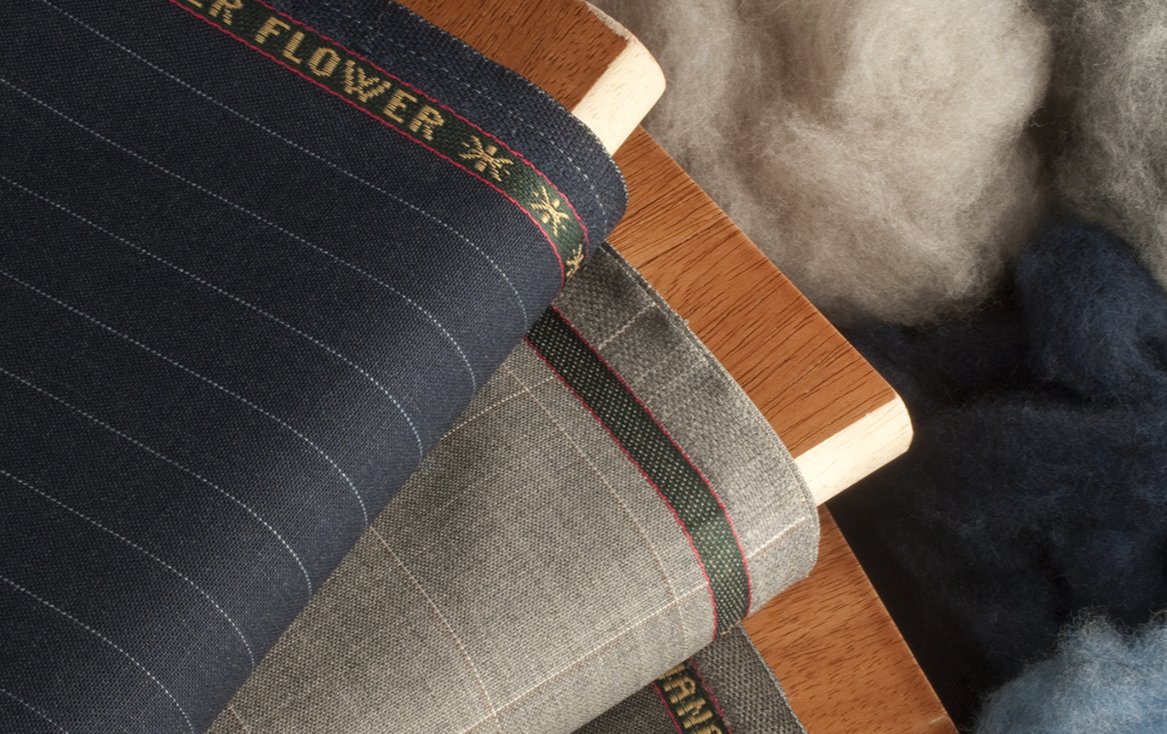
Why Fabric is the Foundation of a Great Suit
The fabric of a suit is not merely its surface — it is the foundation of everything. The weight, weave, and fibre content of a cloth determine how a suit drapes, how it breathes, how long it lasts, and how it responds to the body over time. A superbly cut suit in a poor fabric will always disappoint; a well-chosen cloth can elevate even a modest construction.
For those commissioning a bespoke or made-to-measure suit in Hong Kong, fabric selection is one of the most important decisions in the process. Understanding the key variables — fibre, weave, weight, and mill — will help you make a choice you will not regret.
Wool: The Benchmark Fabric
Wool is the benchmark fabric for suiting, and for good reason. It is breathable, resilient, drapes beautifully, and responds well to pressing. It is also naturally crease-resistant and has a degree of moisture-wicking that makes it comfortable across a range of temperatures.
The quality of wool suiting is often expressed in terms of "Super" numbers — Super 100s, Super 120s, Super 150s, and so on. These numbers refer to the fineness of the wool fibre: a higher number indicates a finer, softer fibre. Super 100s to Super 130s represent the practical sweet spot for most suits — fine enough to drape beautifully, robust enough to withstand regular wear. Super 150s and above are extraordinarily soft but require careful handling.
For Hong Kong's climate — hot and humid for much of the year — a lightweight tropical wool in the 9–11 oz range is the most practical choice for year-round business wear.
Cashmere and Luxury Blends
Cashmere is the most luxurious of the natural suiting fibres. Pure cashmere suits are extraordinarily soft and have an unmatched lustre, but they are less resilient than wool and require more careful maintenance. For most clients, a cashmere-wool blend — typically 10–30% cashmere — offers a practical compromise: the softness and warmth of cashmere combined with the durability and structure of wool.
Other luxury blends include silk-wool (which adds a subtle sheen and lightness), linen-wool (ideal for warmer months), and mohair-wool (which produces a distinctive bright finish popular for evening wear and summer suiting).
Weave Structures: Plain, Twill, and Beyond
Beyond fibre content, the weave structure of a cloth significantly affects its appearance and performance. The most common weave structures in suiting are:
Plain weave produces a smooth, even surface with a matte finish. It is versatile and works well for both business and formal wear. Flannel is a plain-woven wool with a slightly brushed surface, giving it a softer, more casual character.
Twill weave creates a diagonal rib pattern on the surface of the cloth. Serge and gabardine are both twill-woven wools — gabardine in particular is known for its smooth, firm surface and excellent crease resistance, making it a favourite for business trousers.
Herringbone and houndstooth are pattern weaves that create distinctive visual textures. They add character to a suit and are particularly well-suited to sport coats and country-wear contexts.
The World's Leading Fabric Mills
The provenance of a fabric matters. The world's finest suiting cloths come from a handful of mills with centuries of expertise — primarily in England, Italy, and Scotland.
English mills such as Holland & Sherry produce cloths of exceptional quality, with a particular strength in traditional patterns and robust business weights. Italian mills — Loro Piana, Zegna, Vitale Barberis Canonico — are known for their extraordinarily fine wools and innovative blends. Scottish mills excel in tweeds and heavier country cloths.
When commissioning a bespoke suit, ask your tailor about the provenance of the fabrics they carry. A tailor with access to a broad selection from these leading mills is in a position to offer you genuinely exceptional cloth.
Choosing the Right Fabric for Hong Kong
Hong Kong's climate presents a specific challenge for suiting. The city is hot and humid from April to October, with temperatures regularly exceeding 30°C and humidity levels that can make even a lightweight suit uncomfortable.
For year-round business wear, a tropical-weight wool in the 8–10 oz range is the most practical choice. These cloths are woven with an open structure that allows air to circulate, keeping the wearer cooler than a denser fabric would. Despite their lightness, good tropical wools drape well and hold a crease effectively.
For the cooler months from November to February, a medium-weight flannel or tweed in the 11–13 oz range offers warmth without being oppressive in Hong Kong's mild winters.
For formal occasions, a Super 120s or 130s wool in a plain or fine twill weave is appropriate year-round — the finer fibre compensates for the slightly denser weave.
Ready to Commission
Begin Your Tailoring Journey
Consultations are complimentary and by appointment only.