Recognising Quality in a Dress Shirt
A quality dress shirt is not always immediately distinguishable from a mediocre one on the hanger. The differences reveal themselves in the details — details that are easy to overlook if you do not know what to look for.
The following indicators will help you assess the quality of any dress shirt, whether you are buying ready-to-wear or commissioning a bespoke garment.
Fabric Quality
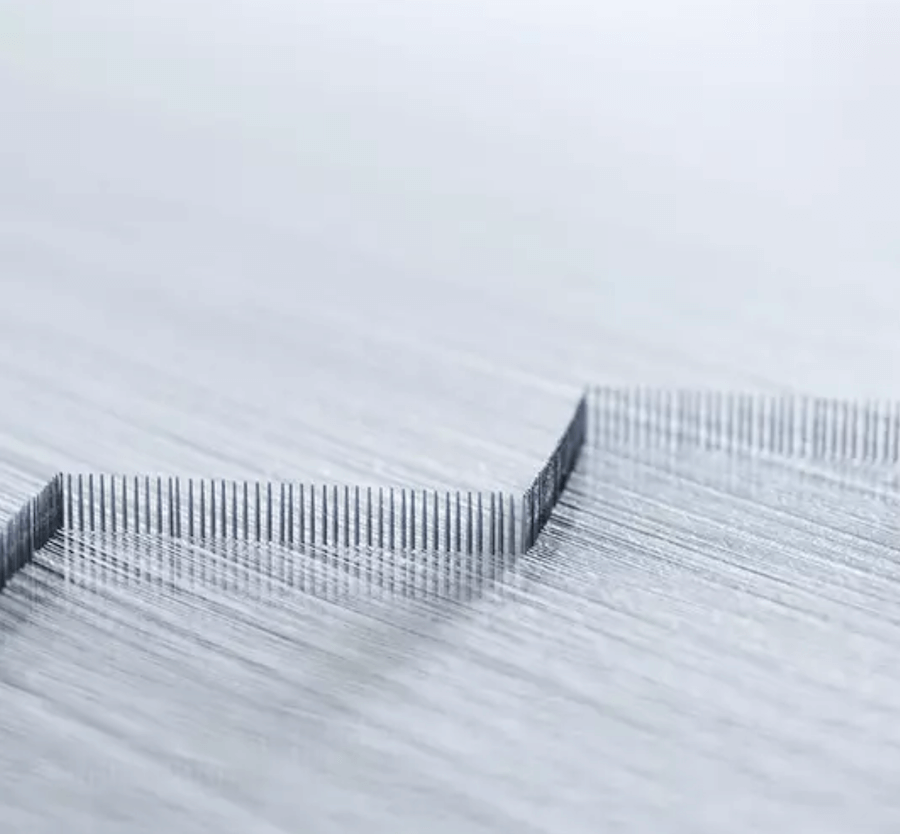
The fabric is the foundation of shirt quality. A high-quality shirt will use a two-ply cotton in a fine yarn count — 100s or above. The fabric should feel smooth and substantial without being stiff. Hold it up to the light: a quality fabric will have an even weave with no loose threads or irregularities.
The best shirt fabrics come from specialist mills in Italy, Switzerland, and England. When commissioning a bespoke shirt, ask your tailor about the provenance of the fabrics they carry.
Construction Details
The construction of a quality shirt is characterised by a high stitch count — typically 18 or more stitches per inch — and even, consistent seams. The side seams should be single-needle stitched, producing a single line of stitching on the outside and a clean finish on the inside. Double-needle stitching, which produces two parallel lines of stitching, is a sign of mass-market construction.
The buttons should be mother-of-pearl or a high-quality resin — not plastic. They should be sewn with a cross-stitch pattern that holds them securely without being bulky. The buttonholes should be cleanly cut with no fraying, and the stitching around them should be dense and even.
Collar Construction
The collar is the most visible element of a dress shirt and the most important indicator of quality. A well-constructed collar will hold its shape throughout the day without wilting or losing its form.
The collar interlining — the layer between the outer fabric and the lining — determines how the collar holds its shape. A quality interlining will be fused or sewn in a way that allows the collar to roll naturally rather than lying flat. The collar points should be even in length and should lie flat against the chest without curling.
For bespoke shirts, the collar can be constructed to your precise preferences — the height, the spread, the point length, and the degree of stiffness are all variables that a skilled shirtmaker can adjust to suit your face shape and personal style.
Ready to Commission
Begin Your Tailoring Journey
Consultations are complimentary and by appointment only.